In This Article
If you're reading this, chances are you've experienced that frustrating feeling of blocked ears. It's uncomfortable, it can affect your hearing, and honestly, it can really get you down. So, it's no surprise that when new gadgets promise a quick fix for earwax at home, our ears perk up, don't they? We're talking about those smart earwax removal tools, like the Bebird or the Axel Glade Spade, that come with tiny cameras and promise to let you see and clear your ear canals yourself. But are they actually a good idea? As Eleni, a qualified ear care specialist here at Earwax Removal Devon, I want to talk to you openly about these tools and what they really mean for your ear health.
Understanding Smart Earwax Removal Tools
What Are These Smart Tools, Anyway?
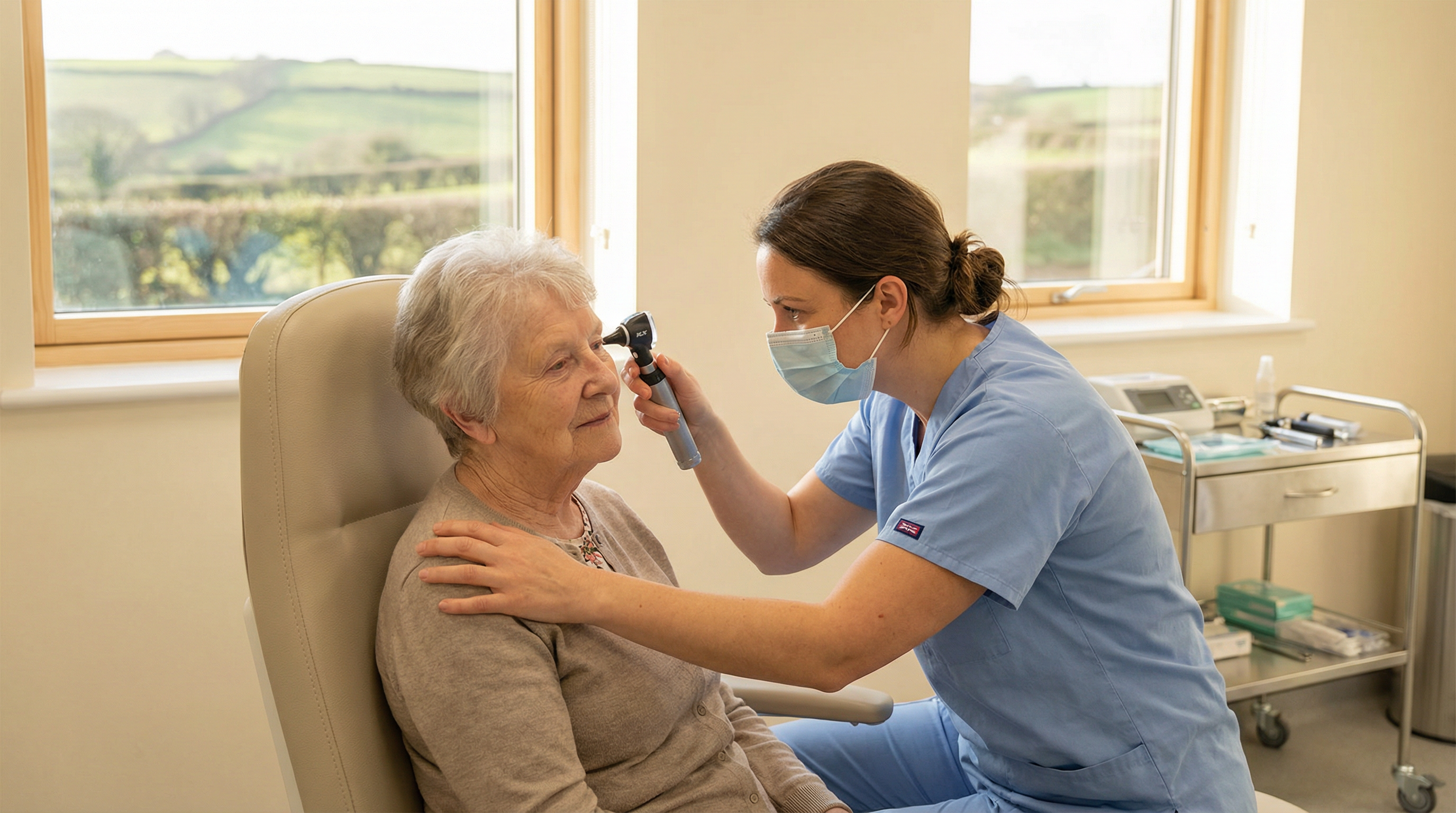
Look, these devices are pretty clever on the surface. They're essentially small, handheld otoscopes – that's the tool we professionals use to look inside your ear – but with a camera attached. The camera streams a live video feed to your phone or tablet, letting you see inside your ear canal. Then, they often come with various attachments, like tiny scoops or picks, that you're meant to use to remove the earwax you see. Brands like Bebird and Axel Glade Spade are popular examples you might have seen advertised online.
The Appeal: Why Are They So Popular?
It's easy to see why these tools catch people's attention. The idea of being able to see inside your own ear, to take control of your earwax problem, and to potentially save a trip to a clinic is really appealing. There's a certain satisfaction in the thought of a DIY solution, isn't there? Plus, the visual aspect – seeing your ear canal up close – can be quite fascinating. It feels like a modern, high-tech answer to an age-old problem.
The Hidden Dangers: What You're Not Told About DIY Earwax Removal
Here's what I mean when I say we need to talk openly about these. While the camera feature might seem helpful, it can actually be quite misleading. Your ear canal is incredibly delicate, with thin skin that's easily scratched or punctured. The eardrum, at the end of the canal, is even more fragile. When you're trying to navigate these tiny, winding passages with a tool, even with a camera, you're risking serious damage. We've seen it happen: infections, bleeding, pushing the wax further in and making the problem worse, or even perforating the eardrum, which can lead to pain and hearing loss.
Think about it this way: would you perform a dental procedure on yourself just because you have a mirror and a tiny pick? Probably not. That's because you understand the complexity and the potential for harm. The same applies to your ears. Professionals undergo extensive training to understand the anatomy of the ear, to recognise different types of earwax and ear conditions, and to use specialised tools safely. A camera alone doesn't give you that expertise or the steady hand required for such a delicate procedure. What you see on screen might look like a clear path to the wax, but the reality inside your ear is often far more nuanced and risky.
What Do the Experts Say? NICE Guideline NG207
When it comes to earwax removal, we always look to clinical guidelines to ensure patient safety and effective treatment. The National Institute for Health and Care Excellence (NICE) provides clear guidance on earwax removal (NICE guideline NG207) [1]. This guideline recommends professional methods like microsuction and ear irrigation, performed by trained practitioners. It doesn't recommend or endorse any form of DIY earwax removal using tools like camera-equipped ear picks. Why? Because the risks simply outweigh any perceived benefits. These guidelines are there to protect your health and ensure you receive the best, safest care possible.
Professional Care vs. DIY Solutions
DIY Smart Tools vs. Professional Microsuction: A Clear Comparison
To help you understand the difference, let's compare these smart DIY tools with professional microsuction, which is one of the safest and most effective methods we use at Earwax Removal Devon.
| Feature | Smart DIY Tools (e.g., Bebird, Axel Glade Spade) | Professional Microsuction (Earwax Removal Devon) |
|---|---|---|
| Method | Camera-guided picking/scraping | Suction under direct microscopic vision |
| Safety | High risk of injury, infection, impaction | Very low risk when performed by trained specialist |
| Effectiveness | Often ineffective, can worsen impaction | Highly effective for complete removal |
| Expertise | None, user relies on self-assessment | Performed by qualified, experienced specialist |
| Equipment | Consumer-grade camera, basic attachments | Medical-grade microscope, sterile suction tools |
| Clinical Support | Not recommended by medical guidelines | Recommended by NICE guidelines [1] |
Who Might Consider Them (Cautiously) and Who Should Definitely Avoid Them
Honestly, if you're thinking about using these tools for removal, you should definitely avoid them. The risks are too high. However, if you're simply curious about looking inside your ear canal, and you have absolutely no symptoms of earwax build-up, no pain, no discharge, and no history of ear problems, you might consider using the camera function purely for observation. But, and this is a big but, you must never use the attachments to try and remove wax yourself. It's just not worth the potential damage.
You should definitely avoid these tools if you have any of the following:
- Ear pain or discomfort
- Discharge from your ear
- Dizziness or vertigo
- Hearing loss
- A feeling of fullness or blockage that's bothering you
- A history of ear surgery
- A perforated eardrum (or suspect you might have one)
- An active ear infection
In any of these situations, attempting DIY removal could make things much, much worse. Your ears are too important to take such risks.
The Value of Expertise: Why Professional Ear Care Matters
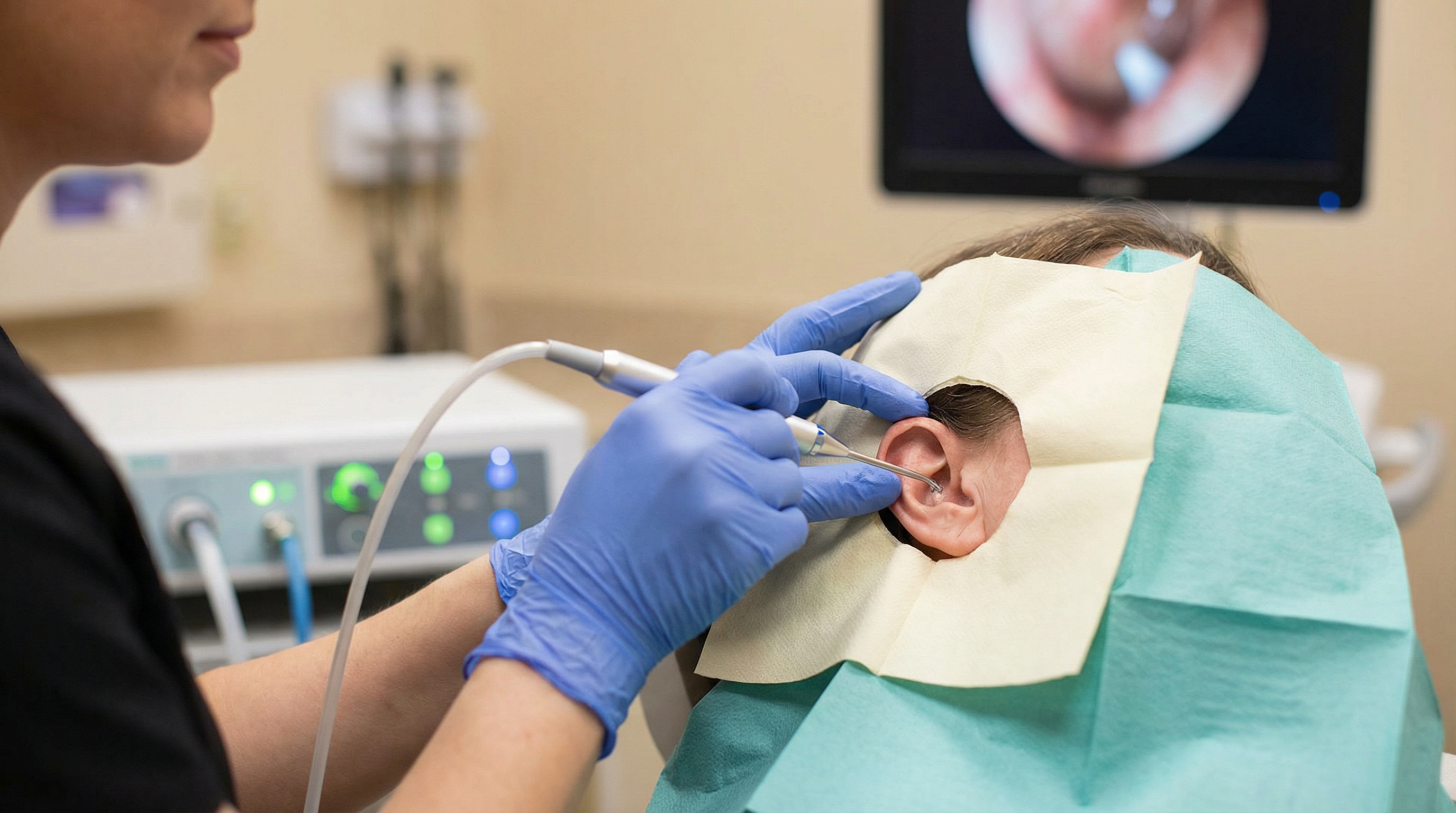
At Earwax Removal Devon, we can't stress enough the importance of professional ear care. Our specialists, like Eleni, have a deep understanding of ear anatomy and physiology. We use medical-grade equipment, such as operating microscopes for microsuction, which provides a clear, magnified view of your ear canal and eardrum. This allows for precise and safe removal of earwax, without guessing or risking damage. We also work in a sterile environment, minimising the risk of infection. Plus, we can identify any underlying issues that might be contributing to your earwax problems or other ear health concerns. It's about getting it right, safely and effectively, the first time.
When It's Time to See a Specialist
If you're experiencing persistent hearing loss, earache, tinnitus (ringing in the ears), a feeling of fullness, or dizziness, it's time to see a professional. Even if you've tried softening earwax with drops and it hasn't worked, we can help. Don't let earwax build-up affect your quality of life or risk damaging your ears with unproven methods. We're here to provide safe, effective, and patient-centred care.
Ready to experience clear, healthy ears? Book your appointment with Earwax Removal Devon today. You can phone us on 01769 302119 or book online at earwaxremovaldevon.com.
References
[1] NICE guideline NG207: Earwax removal. National Institute for Health and Care Excellence. Available at: https://www.nice.org.uk/guidance/ng207