Otoscopy explained
Otoscopy means looking into the ear with an otoscope: a small illuminated instrument used to view the external ear canal and, where unobstructed, the tympanic membrane (eardrum).
A visual ear assessment to check whether earwax is present and whether removal may be appropriate. A blocked feeling, muffled hearing or discomfort does not automatically mean wax is the cause.
An ear health assessment is a focused visual examination of the ear for a person who is unsure whether earwax may be contributing to their symptoms. It checks whether wax is visible and whether earwax removal is appropriate within the service.
It is not a hearing test, an audiology assessment or a full ENT examination. Where symptoms or findings fall outside the scope of an earwax-removal service, the appropriate next step may be medical assessment instead.
Otoscopy means looking into the ear with an otoscope: a small illuminated instrument used to view the external ear canal and, where unobstructed, the tympanic membrane (eardrum).
The examination can establish whether visible wax is present and whether it appears relevant to the earwax-removal decision.
The assessment does not diagnose every cause of hearing change, tinnitus, pain, dizziness or a blocked sensation.
Every appointment begins with an ear examination and a discussion of whether removal is appropriate. The assessment is designed to inform the next step, rather than assume that treatment will be needed.
Relevant symptoms and ear history are considered alongside the examination before any removal decision is made.
An otoscope is used to look into the ear canal and identify whether wax can be seen.
The appointment considers whether wax removal is appropriate within the service, or whether another next step is more suitable.
Where treatment is appropriate it may be discussed. Where it is not, findings and onward advice are explained within scope.
An appointment does not guarantee wax removal. The next step depends on what is seen, the relevant history, suitability and the scope of the service.
A professional removal method may be considered after the examination and discussion of suitability.
The assessment may show that removal is not appropriate at that time. The next suitable route is discussed rather than assuming treatment will go ahead.
No unnecessary wax-removal treatment is carried out. The finding and the appropriate next step are discussed within the service’s scope.
If the examination does not show wax requiring removal, no unnecessary wax-removal treatment is carried out. The finding and the appropriate next step are explained; if symptoms or findings fall outside the service’s scope, appropriate onward advice is given.
The assessment is still useful information. It can prevent treatment that is not indicated and help you understand why a routine wax-removal appointment may not be the right route.
When a blocked ear may not be earwaxWhere visible wax is present and removal is appropriate, professional options may include microsuction or electronic irrigation according to the assessment and suitability. This page does not choose a method universally.
These pages answer the questions around assessment without duplicating their specialist role.
Practitioner information
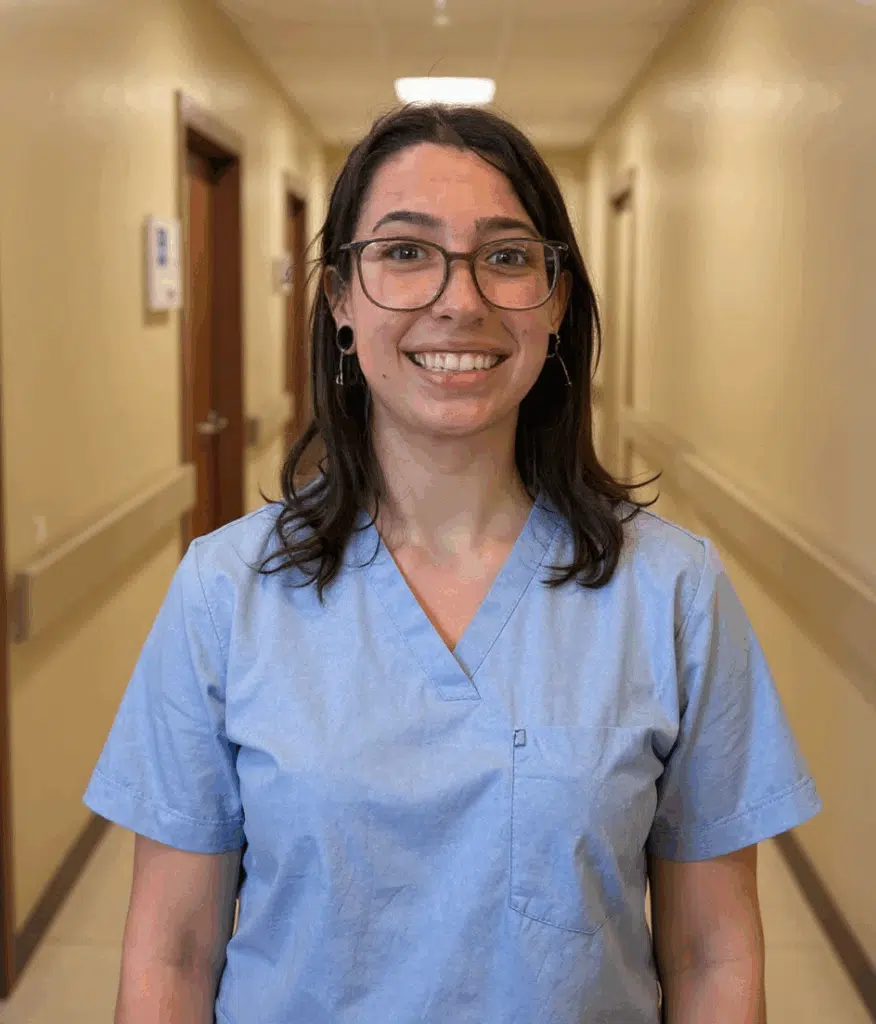
Ear Care Practitioner — Earwax Removal Devon
Eleni is the ear care practitioner at Earwax Removal Devon in South Molton. For the clinic’s published qualification, scope and assessment-led approach, see the practitioner information page.