Assessment first
The ear is examined before any removal is attempted, so the plan can reflect what is actually present.

Assessment-led earwax removal using gentle suction under direct visualisation. Every appointment begins with an ear examination and discussion of whether removal is appropriate.
Microsuction is a professional method of removing earwax (cerumen) from the ear canal with a small suction device while the practitioner works under direct visualisation. It is a dry method: water is not introduced into the canal.
NICE says community ear-care services may consider microsuction, electronic irrigation or another appropriate method when the practitioner has suitable training, understands contraindications and has the right equipment. The method is therefore chosen after your ear examination, not assumed in advance.[1]
The ear is examined before any removal is attempted, so the plan can reflect what is actually present.
Microsuction does not use water, which is one practical difference from electronic irrigation.
The procedure is carried out while the practitioner can see the ear canal.
The appointment is a decision process as well as a removal procedure. If removal is not appropriate, the discussion moves to the next suitable route rather than routine treatment continuing by default.
Eleni examines the ear canal and discusses the symptoms, relevant ear history and whether there is wax that needs removal.
If removal is appropriate, microsuction may be selected because it suits the finding and your history. Electronic irrigation may be considered in other situations.
Where microsuction proceeds, a fine suction device is used while the canal is viewed directly. You may hear the equipment and may notice an unfamiliar sensation; let the practitioner know if you are uncomfortable.
The ear is checked again and you are given relevant next-step advice. If wax cannot be fully removed or another issue is seen, the next appropriate course is explained.
No. Microsuction can be considered after assessment, but a previous perforation, grommets, surgery, a mastoid cavity, infection, pain, discharge or another ear condition needs an individual history and examination. Those details affect whether removal should proceed and which method, if any, is appropriate.
The full safety and referral context belongs in our guide on who is suitable for earwax removal. If you have sudden or rapidly worsening hearing loss, severe pain, discharge, facial weakness, or other urgent symptoms, use NHS 111 for urgent advice rather than routine booking.[1]
Microsuction is not presented here as risk-free or universally preferable. The method is chosen only when it is appropriate after assessment.
Preparation is individual. Wax-softening drops may be useful in some circumstances, but the right approach depends on your ear history and the method being considered. Do not use drops if you have been told not to because of a perforation or another ear condition.
How to prepare for your appointmentYou will be given advice that reflects what was found and done during your appointment. Some people need no further action; others may need symptom monitoring, a further assessment or another pathway. Detailed aftercare depends on the individual and should not be replaced by a generic promise.
Aftercare after earwax removalMicrosuction has practical characteristics, including dry suction and direct visualisation. A professional assessment determines whether it is appropriate for your ear and history. The detailed comparison belongs in the dedicated methods guide.
compare earwax removal methodsA standard clinic appointment is £60 for one or both ears. If no wax is present and no treatment is needed, the assessment-only fee is £30. See the canonical price page for the full and current schedule.
£60
South Molton clinic; one or both ears.
£75
Eligibility is checked against the address.
£85
Eligibility is checked against the address.
These guides cover the questions that sit around a microsuction appointment without duplicating their specialist purpose here.
Practitioner information
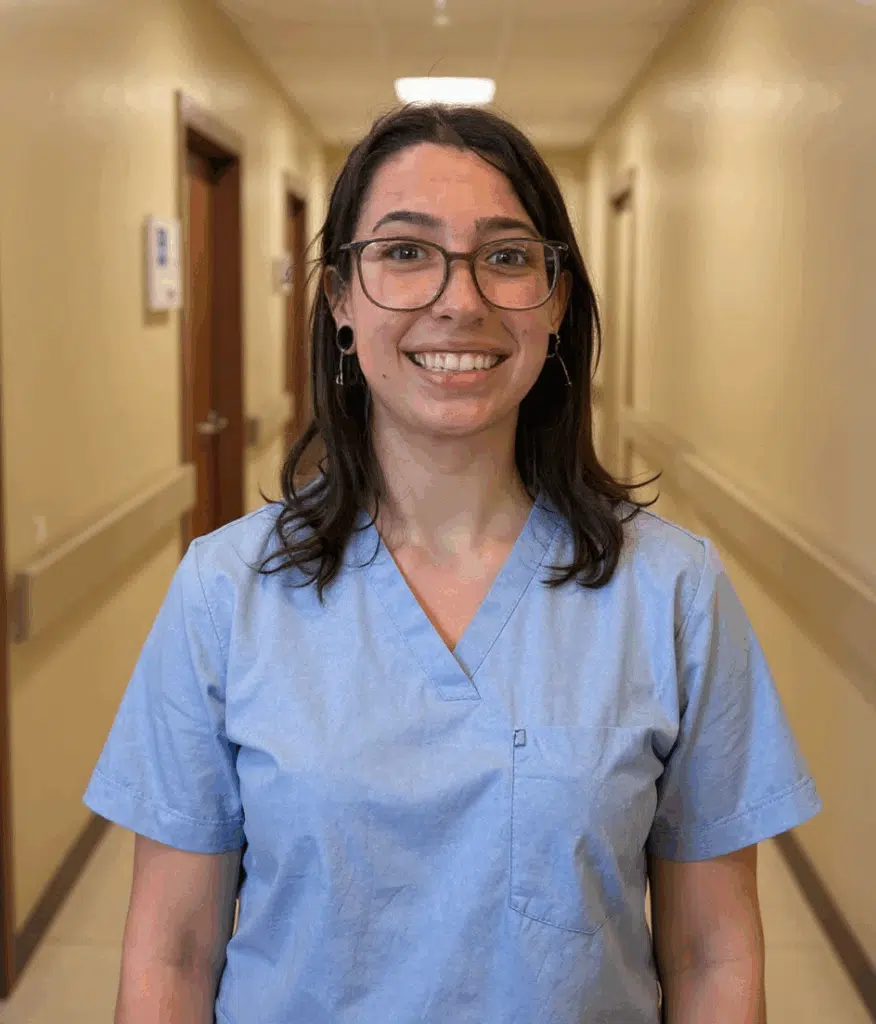
Ear Care Practitioner — Earwax Removal Devon
Eleni is the ear care practitioner at Earwax Removal Devon in South Molton. For the clinic’s published qualification, scope and assessment-led approach, see the practitioner information page.