In This Article
Hey there! If you're reading this, chances are you're experiencing that frustrating feeling of blocked ears, maybe a bit of muffled hearing, or even some discomfort. It's a really common problem, and honestly, it can be quite annoying. You might be wondering what to do about it, and often, the first thing people think of is ear drops. But do they actually work? And how do you even choose the right ones? We're going to get into all of that, so you can understand why ear drops are often your best first step towards clearer hearing.
What's Going On in There? Understanding Earwax and Why It Builds Up
First off, let's talk about earwax itself. It's not just some random gunk; it's actually a natural, protective substance your body makes. Think of it as your ear's self-cleaning system. It traps dust, dirt, and other tiny particles, stopping them from reaching deeper into your ear canal. It also has antibacterial and antifungal properties, which is pretty cool, right? Normally, as you talk, chew, and move your jaw, the old earwax naturally makes its way out of your ear, carrying all that trapped debris with it.
But sometimes, this natural process doesn't quite work as it should. Earwax can build up, become hard, and create a blockage. This is what we call impacted cerumen, and it can lead to all sorts of symptoms like reduced hearing, a feeling of fullness, earache, ringing in your ears (tinnitus), or even an irritating cough [1]. It's not just a nuisance; it can really affect your day-to-day life. You can learn more about earwax and its function on our What is Earwax? page.
The Science Behind the Softening: How Ear Drops Work
So, how do ear drops help with this? Well, they're designed to soften, break down, or lubricate the earwax, making it much easier for your body to naturally expel it, or for a professional to remove it safely. These drops are called cerumenolytics, which is just a fancy word for earwax-dissolving agents. They work in a few different ways, depending on what they're made of.
Oil-Based Drops: Lubrication and Softening
Oil-based ear drops, like olive oil or almond oil, work primarily by lubricating and softening the earwax. They don't typically break the wax apart, but they make it more pliable and easier to move. Think about it like oiling a rusty hinge; it helps things move smoothly again. This softening action can be really effective for less severe impactions, helping the wax to migrate out naturally [2].
Water-Based Drops: Hydration and Fragmentation
Water-based ear drops, such as sodium bicarbonate or saline solutions, work differently. They draw water into the earwax, hydrating it and causing it to swell and break apart. This fragmentation makes the wax less dense and easier to clear. Sodium bicarbonate, for example, also has a chemical action that helps to dissolve the wax [3].
Carbamide Peroxide Drops: The Oxygen Release
Carbamide peroxide drops are a bit of a powerhouse. When these drops come into contact with earwax, they release oxygen. This oxygen causes the earwax to foam and break down into smaller, softer pieces. It's a bit like a mini-explosion that helps to dislodge and fragment the impacted cerumen, making it much simpler to remove [4].
Clinical Evidence: Do They Really Make a Difference?
Honestly, there's good clinical evidence to support the use of ear drops. The National Institute for Health and Care Excellence (NICE) — a really important body that provides evidence-based guidance for health and social care in England — recommends using ear drops as a first-line treatment for earwax build-up [1].
Specifically, NICE guideline NG98 on hearing loss in adults states that when carrying out ear irrigation, you should use pre-treatment wax softeners, either immediately before or for up to five days beforehand [5]. This recommendation highlights just how important ear drops are in preparing the ear canal for professional removal methods like microsuction or ear irrigation. They make the process safer, more comfortable, and more effective.
Research has shown that applying ear drops for several days can significantly increase the likelihood of complete wax clearance, even without further intervention [6]. So, yes, they really do make a difference!
Over-the-Counter Options: What's Available?
You've got a few options when it comes to over-the-counter (OTC) ear drops. Here are some of the most common ones you'll find:
| Type of Drop | Mechanism of Action | Common Examples |
|---|---|---|
| Oil-Based | Lubricates and softens the earwax | Olive oil, Almond oil |
| Water-Based | Hydrates, swells, and fragments the earwax | Sodium bicarbonate |
| Carbamide Peroxide | Releases oxygen, causing earwax to foam and break down | Otex, Cerumol (contains urea hydrogen peroxide) |
It's important to follow the instructions on the packaging for any OTC product you use. And if you're ever unsure, it's always best to chat with a healthcare professional.
When Are Drops Enough, and When Do You Need a Professional?
This is a really important question, and honestly, it depends on a few things. For many people with mild to moderate earwax build-up, using ear drops for a few days can be enough to soften the wax, allowing it to come out naturally. You might even notice small pieces of wax coming out on their own, which is a good sign!
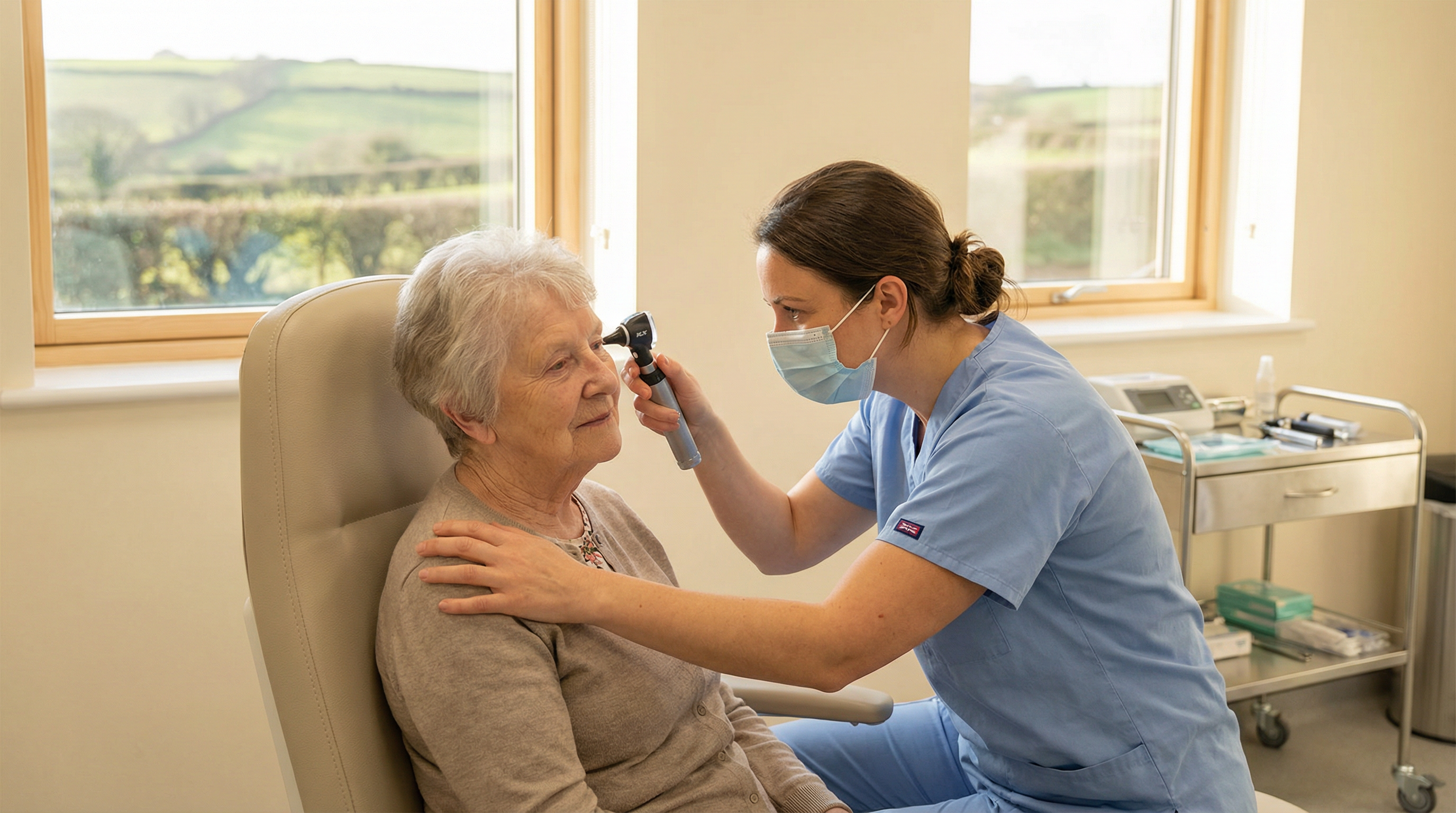
However, there are times when ear drops alone just won't cut it, and that's when professional help becomes essential. You should definitely consider booking an appointment with a specialist like Eleni at Earwax Removal Devon if:
- Your symptoms don't improve after using ear drops for about 5-7 days.
- Your hearing loss or discomfort worsens after using drops.
- You experience pain, discharge, or dizziness.
- You have a perforated eardrum or a history of ear surgery (using drops can be risky in these cases).
- You have diabetes or a weakened immune system, as ear infections can be more serious.
- You simply can't get the wax out yourself, and it's impacting your quality of life.
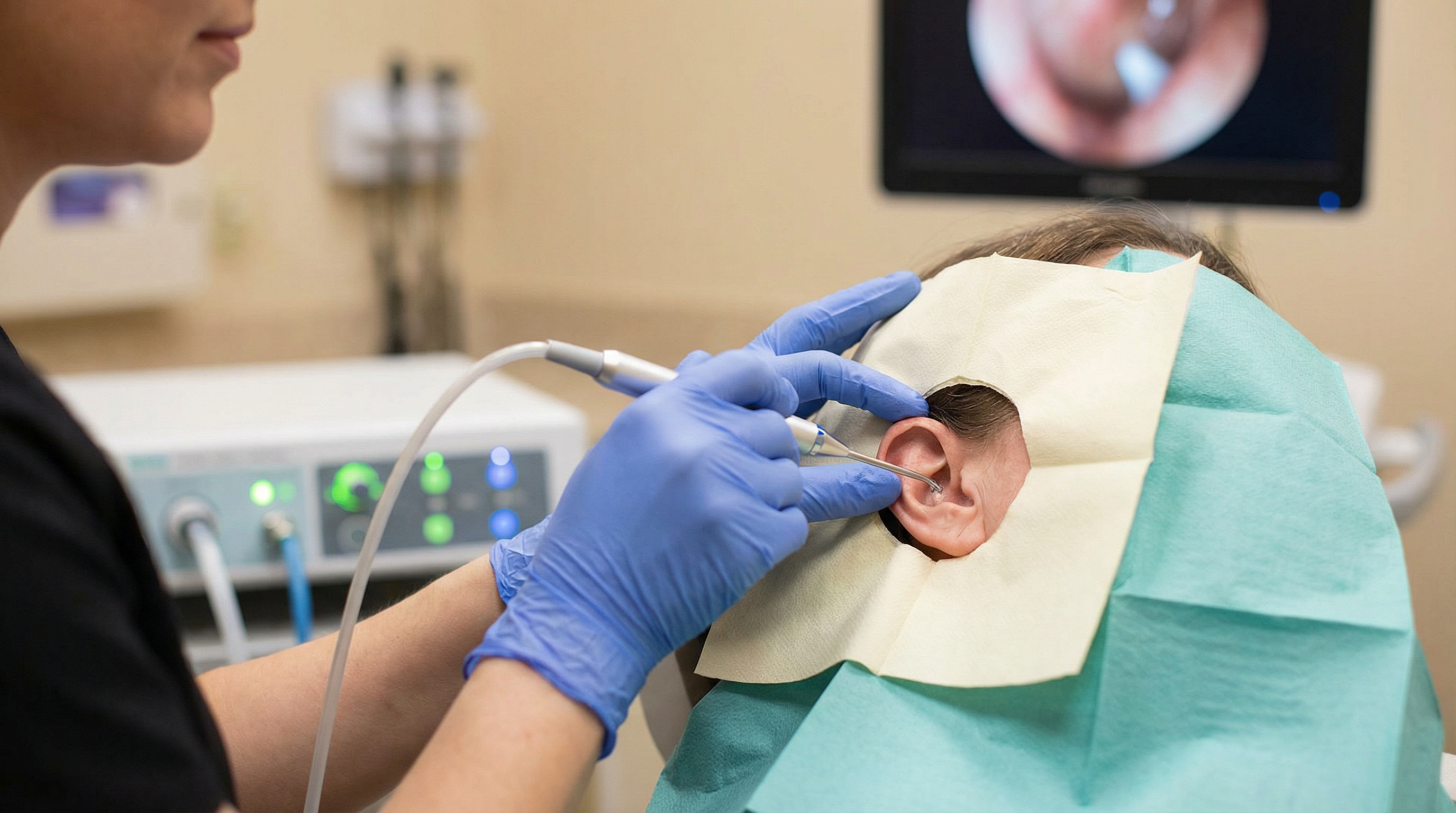
Professional earwax removal methods, such as microsuction or ear irrigation, are safe, effective, and performed by trained specialists. They can quickly and comfortably remove even the most stubborn or deeply impacted earwax.
Your Path to Clearer Hearing Starts Here
Look, dealing with blocked ears can be a real bother, but you don't have to put up with it. Ear drops are a fantastic first step, often recommended by clinical guidelines like those from NICE, to help soften and prepare earwax for removal. They can even clear the blockage entirely for some people.
But if those drops aren't doing the trick, or if you're experiencing persistent symptoms, please don't hesitate to reach out. Eleni and the team at Earwax Removal Devon are here to help you get back to hearing clearly and comfortably. We offer safe, professional microsuction and ear irrigation services right here in South Molton, Devon, and we're always happy to answer your questions.
Ready to hear the world clearly again? Give us a call on 01769 302119 or book your appointment online at earwaxremovaldevon.com. We can't wait to help you!
References
[1] National Institute for Health and Care Excellence. (2019). Quality statement 1: Earwax removal. Available at: https://www.nice.org.uk/guidance/qs185/chapter/quality-statement-1-earwax-removal
[2] Tynan, T. (2020). An ex vivo comparison of over-the-counter cerumenolytics. The Australian Journal of Otolaryngology, 3. Available at: https://www.theajo.com/article/view/4339/html
[3] Aaron, K. (2018). Ear drops for the removal of ear wax. Cochrane Database of Systematic Reviews. Available at: https://pmc.ncbi.nlm.nih.gov/articles/PMC6492540/
[4] DrugBank. (2015). Carbamide peroxide: Uses, Interactions, Mechanism of Action. Available at: https://go.drugbank.com/drugs/DB11129
[5] National Institute for Health and Care Excellence. (2023). Recommendations | Hearing loss in adults: assessment and management. Available at: https://www.nice.org.uk/guidance/ng98/chapter/recommendations
[6] Aaron, K. (2018). Ear drops for the removal of ear wax. PubMed. Available at: https://pubmed.ncbi.nlm.nih.gov/30043448/